Where other writers approach chess through the lens of competition, I read the board the way a social worker reads a case file: attentive to the structures that shape outcomes, and to the human cost of systems that were never designed with the most vulnerable in mind.
Read the Articles ↓
I bring a distinctive perspective to the world of chess—one shaped not by grandmaster ambitions but by a career spent in the most consequential arenas of human struggle. A graduate of Illinois State University with a degree in Sociology, I have devoted my professional life to child protection and mental health—fields that have given me a profound understanding of how individuals navigate systemic pressure, institutional failure, and the quiet crises that unfold far from public view.
My encounter with chess began during graduate studies in International Affairs at The New School in Manhattan, where afternoons spent at the stone chess tables of Stuyvesant Town became an unexpected counterweight to the global complexities of the classroom. What started as a neighborhood pastime grew into a lifelong fascination with the game's social dimensions—its hierarchies, its rituals, its capacity to both heal and harm.
I later deepened my engagement with the chess community through the Pittsburgh Chess League and the University of Pittsburgh Chess Club—experiences that sharpened the questions at the heart of my work: Who benefits from chess, and who is left behind? What happens to the mind under sustained competitive pressure? And what obligations do the institutions of chess owe to the people who entrust their development to the game?
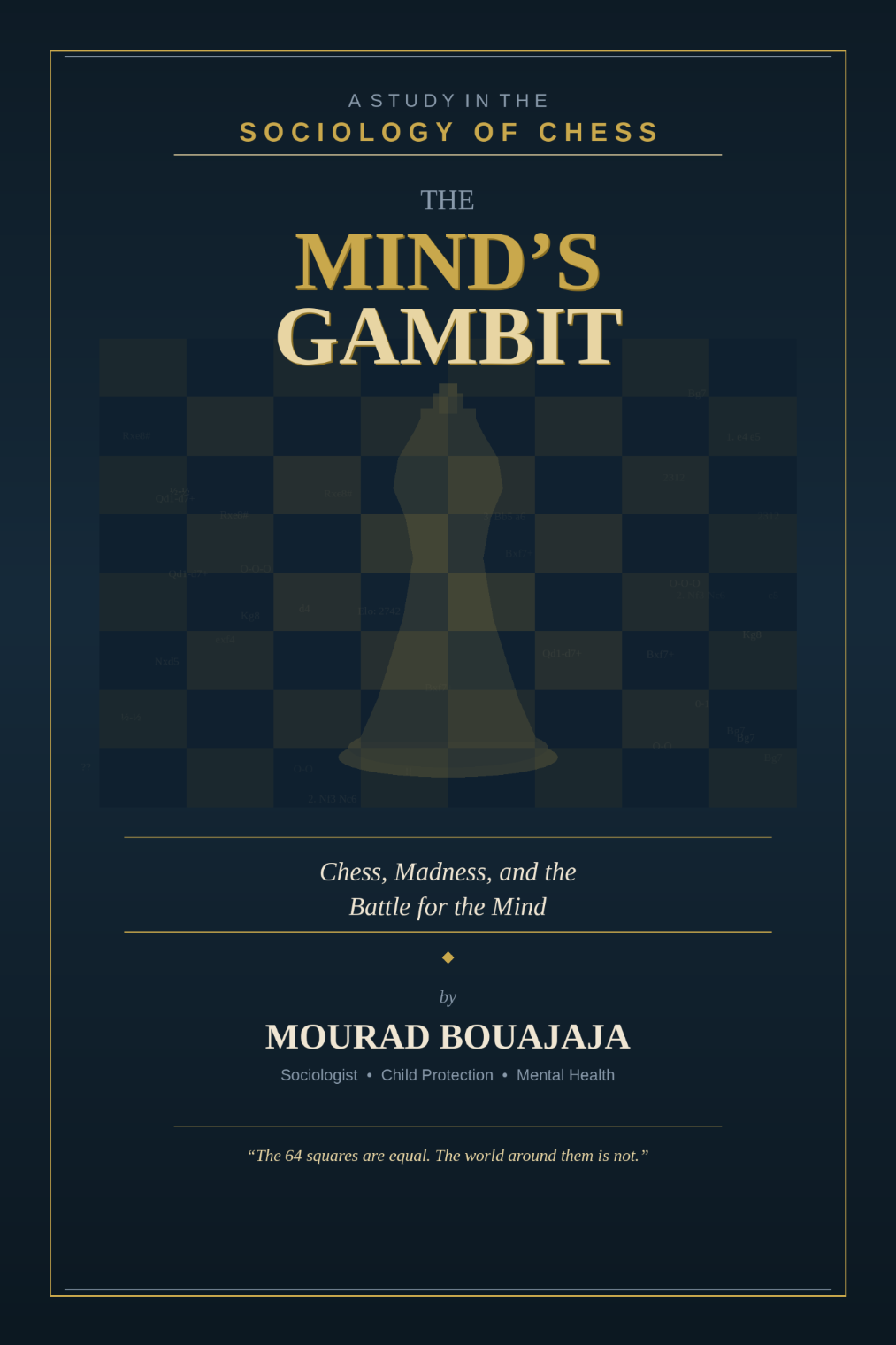
I am currently writing The Mind's Gambit: Chess, Madness, and the Battle for the Mind. This blog is where I develop those ideas in public, one chapter at a time, and I welcome your feedback along the way.

Chess, Madness, and the Battle for the Mind — a book in ten chapters exploring the intersection of chess and mental health, from history to science to lived experience.
How the Elo rating became the most powerful psychological force in chess
Read NowPaul Morphy, Wilhelm Steinitz, and the origins of a dangerous narrative
In ProgressGenius without support, decades apart
In ProgressThe science of competitive stress in chess
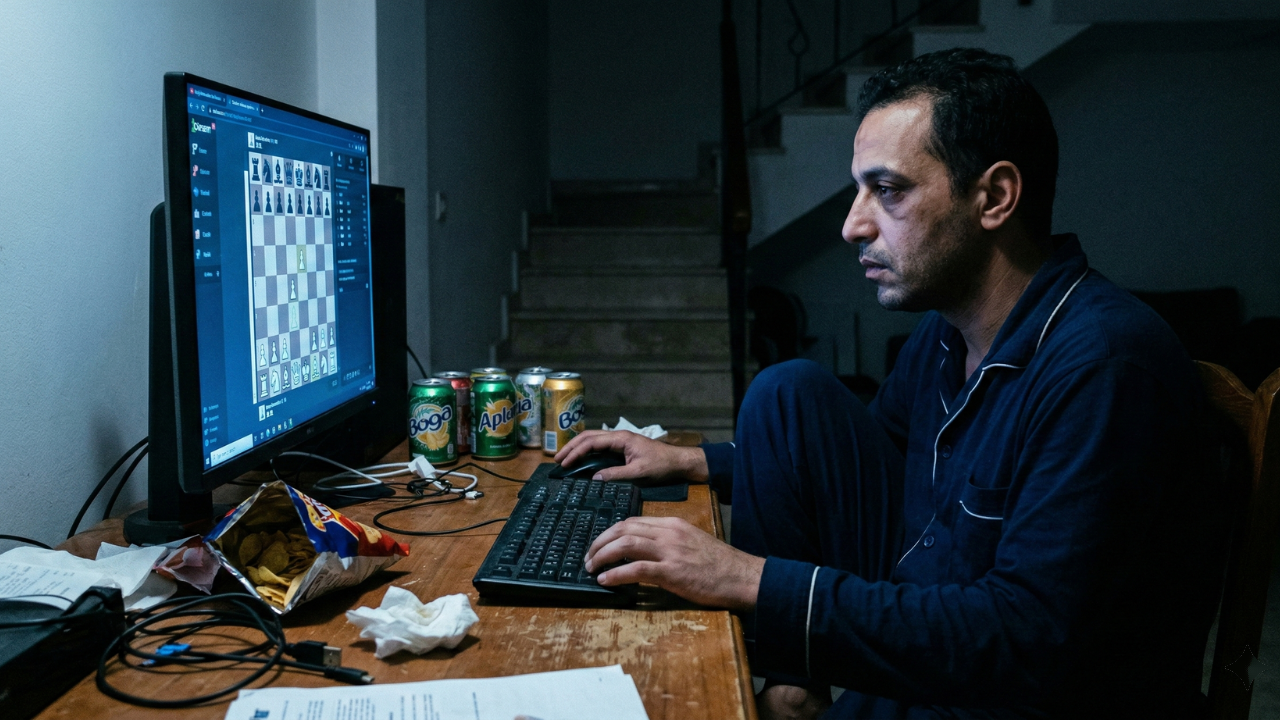
In ProgressDigital chess, compulsive play, and the architecture of addiction
In ProgressChess and neurodivergence — a game built for different minds
In ProgressFrom ninth-century Baghdad to modern prisons: chess as therapy
In ProgressWomen, hostility, and the mental health cost of playing in a man's world
In ProgressRatings, parents, burnout, and the question of childhood in chess
In ProgressChess in the age of artificial intelligence
In ProgressEach article below is a draft chapter from The Mind’s Gambit, published here to invite conversation before the book goes to print. Read them, challenge them, and help me make the arguments stronger.
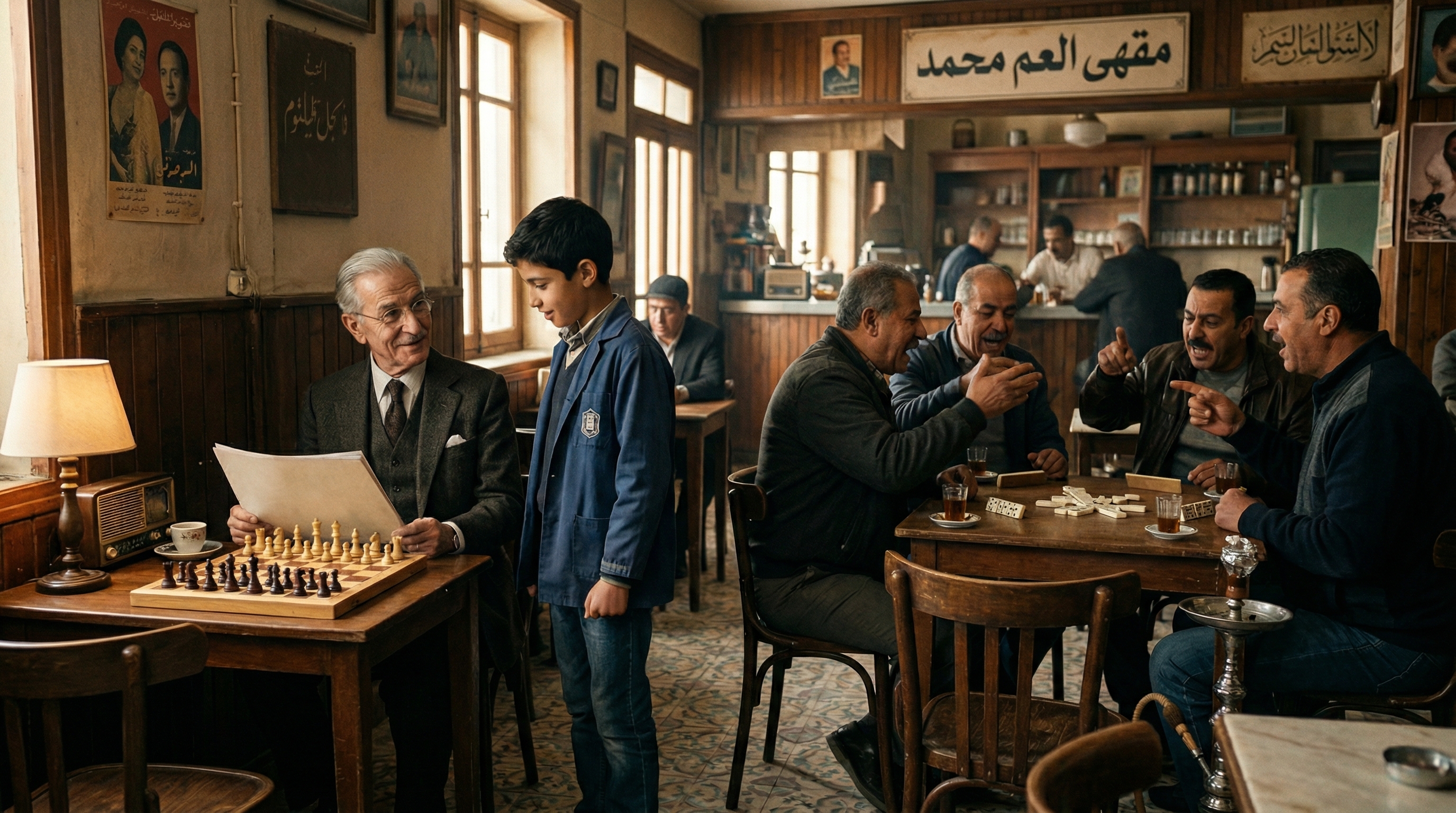
Introduction · Personal Essay A personal journey through the coffee houses of Tunisia and across the Atlantic—how a vinyl board, a humbling defeat, and a father’s quiet faith shaped a lifelong relationship with chess.
Chapter 1 · Academic Essay How the Elo rating became the most powerful psychological force in chess—a statistical tool that reshaped identity, status, and self-worth in the game.
Conversations at the intersection of chess, psychology, and the systems that shape young minds.
Deep dives into each chapter's themes with expert guests — psychologists, chess grandmasters, child welfare advocates, and survivors. New episodes with each chapter release.
A personal journey through the coffee houses of Tunisia and across the Atlantic—how a vinyl board, a humbling defeat, and a father’s quiet faith shaped a lifelong relationship with chess.
Coming Soon
How the Elo rating became the most powerful psychological force in chess — and what it does to the children who carry it.
Coming SoonPaul Morphy, Wilhelm Steinitz, and the origins of a dangerous narrative.
Coming SoonGenius without support, decades apart.
Coming SoonPublished works, ongoing projects, and selected writing.
Chess, Madness, and the Battle for the Mind — a book in ten chapters exploring the intersection of competitive chess, child welfare, and mental health. Expected 2026.
Ongoing essays exploring chess culture, institutional accountability, and the psychology of competition from a social worker's perspective.
Coming Soon
Selected research and professional writing on child protection policy, systemic reform, and the sociology of competitive youth sports.
Coming Soon
Free tools, guides, and materials for parents, coaches, and anyone navigating competitive youth environments.
Curated books on chess psychology, child development, and systemic reform that informed this project.
Coming SoonWhat to look for, what questions to ask, and how to protect your child in competitive environments.
Coming SoonCompanion discussion guides for each podcast episode — perfect for book clubs and study groups.
Coming SoonRead the complete first chapter of The Mind's Gambit — "The Number: Elo Ratings, Identity, and the Sociology of Competitive Chess."
Free PreviewWhat early readers and collaborators are saying.
"A deeply human examination of what happens when competitive systems fail to protect their youngest participants. Essential reading."
"Mourad brings a social worker's eye to the chess world — and what he sees is both fascinating and deeply troubling. This book needed to be written."
"Part investigative journalism, part memoir, part manifesto for change. The Mind's Gambit doesn't just describe the problem — it demands a solution."
Speaking, consulting, and collaboration opportunities.
Engaging talks on chess psychology, child protection in competitive sports, mental health advocacy, and systemic reform. Available for conferences, universities, and organizations.
Interactive workshops for chess organizations, schools, and youth sports programs on creating safer competitive environments and recognizing warning signs.
Advisory services for organizations looking to improve child safeguarding policies, mental health support systems, and ethical governance in competitive programs.
Available for interviews and guest appearances on podcasts covering chess, mental health, child welfare, sports psychology, and social justice topics.
Your generosity helps keep this research independent and this content free for everyone.
Coffee Fund
Help fuel the late-night writing sessions that make these chapters possible.
Chapter Sponsor
Support the research and writing of a full chapter. Your name will appear in the acknowledgements.
Patron
Receive early access to chapters, exclusive behind-the-scenes content, and a signed copy when published.
Your donation will help support my work in bringing these important stories to light. Every contribution, no matter the size, makes a difference in keeping this research independent and accessible.
Support My WorkThank you for believing in this project. Your support means the world to me and helps ensure these stories are told with the care and depth they deserve.
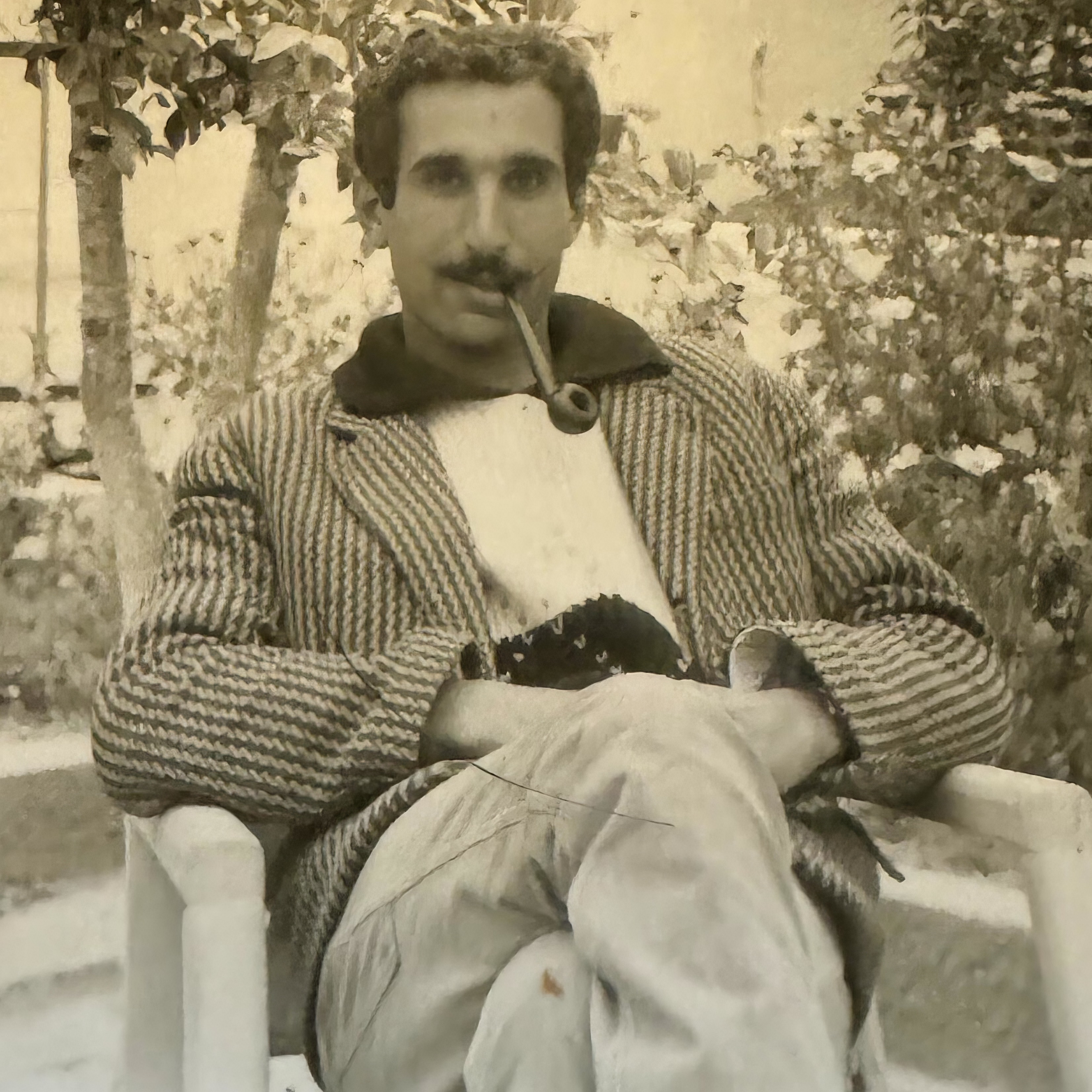
To my beloved father and mentor, who departed from our world on September 29, 2026. With your passing, the world lost a great man who gave his life to the noblest of missions: the education of generations. From the playing fields of schoolyards to university lecture halls, you built minds as you built bodies, holding fast to the belief that physical discipline is the foundation upon which the discipline of thought is raised.
Your journey—from devoted teacher to leader in the highest ranks of public service—was a living testament to your integrity, your foresight, and your unshakeable faith in what education can do. Even after retirement, your heart remained with children. You wrote stories for them that ignited their imaginations and opened the doors of dreaming.
Teacher. Leader. Traveler. Storyteller.
d. September 29, 2026
This book is but a humble attempt to continue the circle of learning that he began.
This book is being written in dialogue with its readers. If you're a chess player, a researcher, a mental health professional, a parent of a young player, or simply someone who cares about how institutions treat the people they're meant to serve—I want to hear from you. Your perspective might change a chapter.
Are You a Chess Player?
Click the button below to help shape the future of this book
♘ Yes, Take Me There!